Advertisement

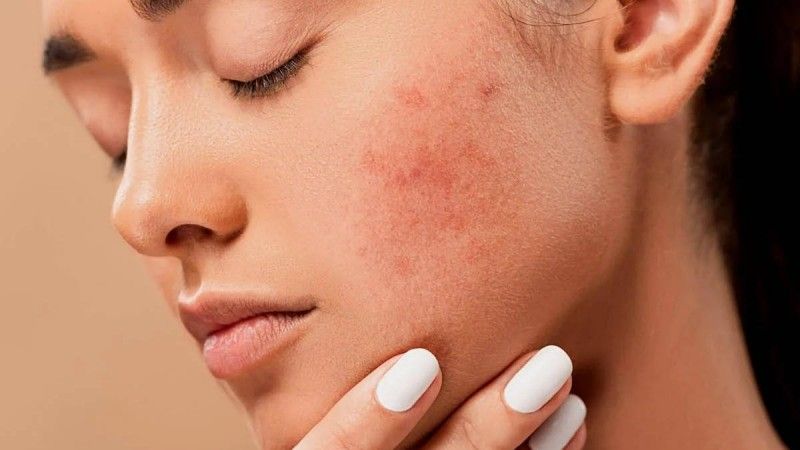
Cosmetics play a vital role in the daily life of modern people. They not only help us beautify our faces, but also enhance our self-confidence. However, for some people, cosmetics may become the source of skin sensitivity.
Skin sensitivity not only causes uncomfortable symptoms, but may also aggravate existing skin problems and even affect the health of the skin. Therefore, it is very important for everyone who loves beauty to know how to avoid skin sensitivity caused by cosmetics.
1. Understand the potential impact of cosmetics on the skin
Cosmetics contain a wide variety of ingredients. Although most cosmetics are designed to add beauty, some chemical ingredients, fragrances, colorants, alcohol, etc. may become the culprit of skin sensitivity. Common cosmetic ingredients that cause skin sensitivity include:
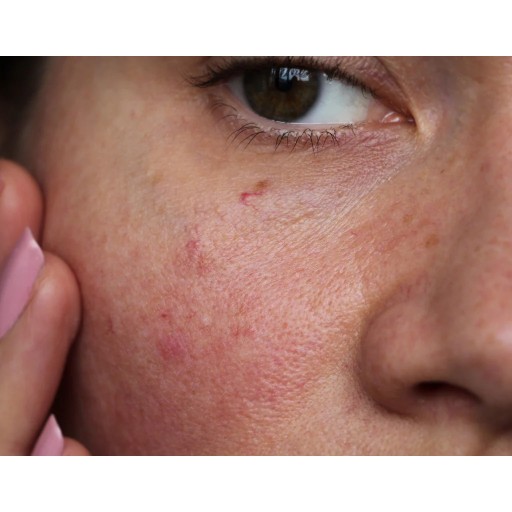
Fragrances and artificial colors: Fragrances and pigments are common added ingredients in many cosmetics. Although they can enhance the smell and color of cosmetics, these ingredients are prone to cause skin allergic reactions, leading to uncomfortable symptoms such as redness, swelling, itching, and tingling.
Preservatives: In order to extend the shelf life of cosmetics, preservatives are indispensable. However, some preservatives, such as parabens and formaldehyde releasers, have been shown to be irritating to sensitive skin and may trigger allergic reactions.
Alcohol: High concentrations of alcohol are often used in some toners and lotions. Although alcohol has a bactericidal effect, it can damage the skin's natural barrier, making it drier and more irritated.
Mineral oil and silicone oil: Although these ingredients can provide a certain smoothness to the skin, their chemical properties may clog pores, causing the skin to be unable to breathe properly, thereby causing sensitive reactions.
Synthetic ingredients and heavy metals: Some cosmetics may contain heavy metals and some chemical ingredients that have not been fully studied. Long-term use of these products may cause skin allergies or other health problems.
2. How to choose cosmetics suitable for your skin type
Choosing cosmetics suitable for your skin type is the first step to avoid skin sensitivity. Everyone's skin condition is different, so understanding your skin type and needs is the key to choosing cosmetics.
Determine your skin type
The sensitivity of your skin is closely related to its type. Common skin types include:
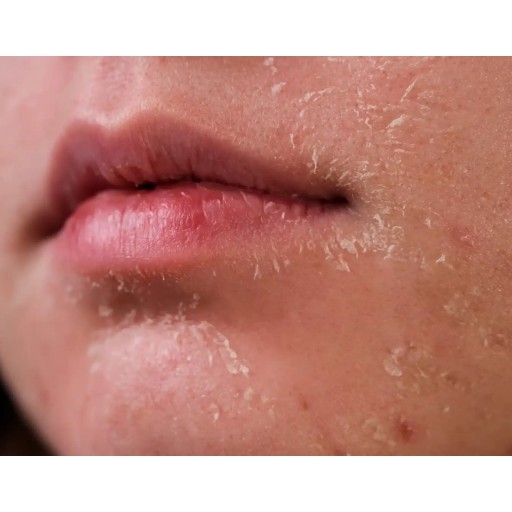
Dry skin: Dry skin is prone to dryness, peeling and tightness, and is often allergic to alcohol and fragrance in cosmetics.
Oily skin: Oily skin has a greasy surface and large pores, but this type of skin may have allergic reactions to certain greasy ingredients.
Combination skin: Combination skin usually has an oily T-zone and dry cheeks. This skin type needs to choose skin care products for different parts.
Sensitive skin: Sensitive skin is easily stimulated by external irritation and is usually particularly sensitive to the chemical ingredients of cosmetics.
Neutral skin: This skin type is relatively stable and not prone to sensitivity problems, but it is also necessary to pay attention to choosing appropriate skin care products to maintain balance.
Choose hypoallergenic and additive-free cosmetics
For people with sensitive skin, it is important to try to choose products marked "fragrance-free", "alcohol-free" and "hypoallergenic". Many brands have now launched skin care series specifically for sensitive skin. These products usually avoid using irritating ingredients to reduce the risk of allergies.
Advertisement
Test the product
When purchasing a new product, it is best to do a small skin test behind the ear or on the inside of the wrist. Apply a small amount of the product to these areas, wait 24 hours, and observe whether there are allergic reactions such as redness, swelling, and itching. If there are no abnormal reactions, consider using it on the face.
3. Avoid unnecessary cosmetic ingredients
Some ingredients in cosmetics may be "invisible killers" of skin sensitivity. Even if they do not directly cause allergic reactions, they may gradually damage the skin. To prevent skin sensitivity, it is recommended to avoid the following ingredients:
Excessive preservatives: Although preservatives are essential, if you choose products with multiple preservatives, you may increase the risk of skin sensitivity. It is a better choice to choose products with low preservative content or certified natural preservatives.
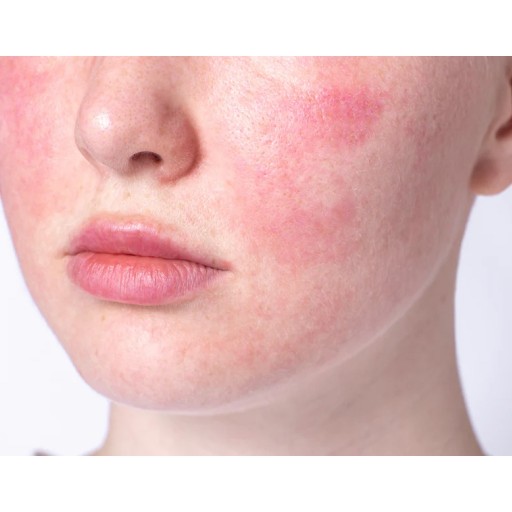
Synthetic fragrances and pigments: Fragrances and pigments can give cosmetics attractive smells and colors, but they are often irritating to sensitive skin. If your skin is prone to redness or tingling, it is best to choose fragrance-free and pigment-free cosmetics.
Irritating chemical ingredients: Although irritating chemical ingredients such as alcohol, benzoic acid, sulfur, and sodium chloride can play a certain role, they can also destroy the skin's barrier function and cause dry and sensitive skin. Choosing products with natural plant ingredients can reduce the damage of these chemical ingredients to the skin.
4. Scientific skin care to keep skin healthy
In addition to choosing the right products, scientific skin care habits are also very important to avoid sensitivity caused by cosmetics. Here are some suggestions to keep your skin healthy:
Clean your skin regularly
Oil, dust and cosmetic residue on the skin can irritate the skin and cause sensitive reactions. Use a gentle cleanser every morning and evening to clean your skin to help remove dirt and keep your skin fresh.
Hydration and moisturizing
Hydration is the basis for keeping the skin barrier healthy. Especially when using cosmetics, the moisture of the skin is more likely to be lost. Use moisturizers, essences and other products to replenish moisture, enhance the barrier function of the skin, and reduce the impact of external stimuli.
Protect the skin from UV damage
Ultraviolet rays are one of the main external factors that cause skin sensitivity. Using sunscreen is the best way to prevent UV damage to the skin. On days with strong sunlight, choose sunscreen with SPF30 or above and reapply it regularly.
Healthy diet and work and rest
Maintaining healthy living habits can help enhance the skin's resistance to sensitivity. A balanced diet, adequate water and antioxidant intake, adequate sleep, and avoiding excessive stress are all very beneficial factors for skin health.
Skin sensitivity caused by cosmetics is a problem faced by many people, but through scientific selection and care, we can effectively avoid this problem.
Understanding the ingredients of cosmetics, choosing suitable products according to skin type, conducting small-scale tests, and avoiding unnecessary irritating ingredients are all important steps to prevent skin sensitivity. At the same time, a healthy lifestyle and skin care habits are also the key to keeping the skin insensitive.
Through these methods, you can not only enjoy the beautiful makeup effect, but also protect your skin, avoid damage to the skin caused by cosmetics, and keep your skin healthy, smooth and beautiful at all times.
Advertisement